Free US Shipping on orders $100+
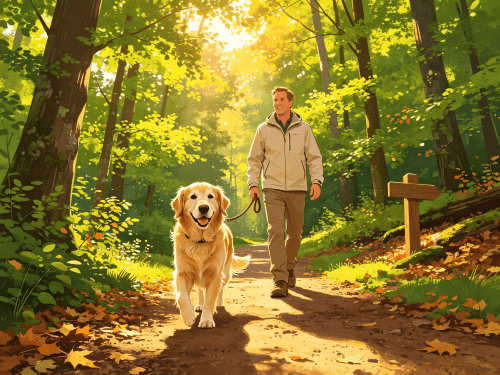
Bringing a dog into your life is exciting. Whether you've just adopted a playful puppy or you're planning to welcome your first companion home, one question naturally comes to mind:
How can I help my dog live a longer, healthier life?
The honest answer is that no one can promise how long a dog will live. Genetics, breed, and even simple luck all play a role. However, veterinarians agree that the choices we make every day can have a meaningful impact on both a dog's lifespan and, just as importantly, their quality of life.
Helping your dog live longer isn't about finding a miracle supplement or following the latest trend. It's about building healthy habits that support them throughout every stage of life.
A dog's lifelong health begins long before they come home with you.
If you're buying from a breeder, choose one who performs health testing and genetic screening appropriate for the breed. Responsible breeders aim to reduce inherited diseases rather than simply producing puppies.
If you're adopting from a rescue or shelter, ask about any available medical history and schedule a complete veterinary examination soon after bringing your new companion home.
While no breeder or shelter can guarantee perfect health, starting with good information gives both you and your veterinarian the best chance to provide excellent care.
One of the biggest factors affecting longevity is maintaining a healthy body weight.
Obesity increases the risk of arthritis, diabetes, heart disease, and several other health conditions. Even carrying a few extra pounds over many years can place unnecessary stress on a dog's joints and organs.
Instead of focusing on expensive "superfoods," look for a complete and balanced diet that meets established nutritional standards.
A few simple habits can make a big difference:
If you own a toy breed, you may also wonder how long do small dogs live. While every dog is different, many small breeds often have longer average lifespans than large breeds, especially when they maintain a healthy weight and receive consistent veterinary care.
For example, the average Pomeranian lifespan is often around 12–16 years, with many living even longer when genetics, nutrition, and preventive care all come together.
Exercise does far more than burn calories.
Daily activity helps maintain healthy muscles, joints, heart function, and mental wellbeing.
The right amount of exercise depends on your dog's breed, age, and health. A young Border Collie will have very different needs than an elderly Shih Tzu.
Healthy activities may include:
Mental stimulation is equally important. Learning new commands, solving food puzzles, and exploring new environments help keep a dog's brain active throughout life.
Many serious illnesses are easier to manage when discovered early.
Routine veterinary visits allow your veterinarian to identify subtle changes before they become larger problems.
Preventive care commonly includes:
Dental health deserves special attention.
Dental disease doesn't just affect the mouth—it can contribute to infections and impact overall health. Regular tooth brushing, dental chews recommended by your veterinarian, and professional cleanings can all help support a longer, healthier life.
Dogs are remarkably good at hiding discomfort.
Sometimes the first signs of illness are easy to overlook:
Trust your instincts.
If something feels different, even if you can't explain why, it's worth scheduling a veterinary appointment. Early intervention often leads to better outcomes.
Good health isn't only physical.
Dogs thrive when they feel safe, loved, and secure.
Consistent routines help reduce stress because dogs learn what to expect throughout the day. Feeding times, walks, bedtime, and family interactions all create stability.
Positive training, gentle handling, and spending quality time together strengthen the bond you share.
Research continues to show that strong human-animal relationships benefit both pets and their owners. If you're interested in how dogs experience that bond, you may enjoy reading Do Pets Know They Are Loved? What Science and Everyday Moments Tell Us.
Many owners search for the habits of dogs that live past 15, hoping to discover a secret formula.
There isn't one.
Dogs that enjoy exceptional longevity often have several things in common:
Even then, there are no guarantees.
Some dogs develop illnesses despite receiving outstanding care. Others surprise everyone by remaining healthy well into their senior years.
Rather than focusing only on adding years to your dog's life, it's equally important to add life to those years.
One day, every pet owner faces the heartbreaking reality of saying goodbye.
Thinking about that day can feel uncomfortable, especially when your journey together is just beginning. But remembering that our time with our dogs is limited often inspires us to make the most of every ordinary moment.
When that time eventually comes, many families find comfort in learning about ways to honor the bond they shared. Articles such as Signs Your Pet Is Still With You: 10 Comforting Ways They Stay in Your Heart and How to Memorialize a Pet: 12 Meaningful Ways to Honor Your Beloved Companion offer gentle support for those navigating loss.
If you're wondering how to help your dog live longer, remember that the answer isn't found in one product or one perfect decision.
It's found in thousands of ordinary moments.
A balanced diet. A walk around the neighborhood. A yearly veterinary checkup. A game of fetch. A gentle pat before bedtime.
No one can guarantee how many years you'll have together.
But by giving your dog excellent care, consistent routines, and unconditional love, you're giving them something even more valuable—a life filled with comfort, trust, and happiness.
And in the end, that's the greatest gift any dog could ever receive.
Focus on balanced nutrition, maintaining a healthy weight, regular exercise, preventive veterinary care, good dental hygiene, and a stable, loving home environment. Genetics also play an important role.
Many small dog breeds live between 12 and 16 years, although individual lifespans vary depending on genetics, health, and overall care.
There is no single "best" food for every dog. Choose a complete and balanced diet that matches your dog's age, size, activity level, and any medical needs. Your veterinarian can help you select the most appropriate option.
Routine wellness exams, vaccinations, parasite prevention, dental care, bloodwork for senior dogs, and early detection of illness are among the most important steps recommended by veterinarians.