Free US Shipping on orders $100+
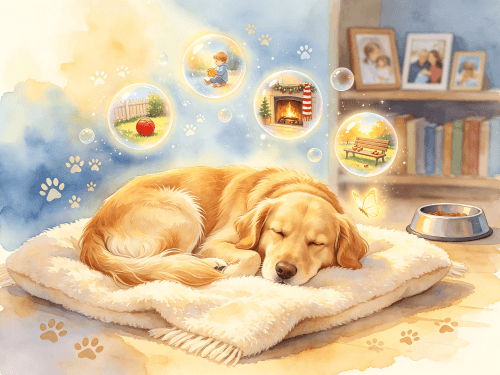
After losing a beloved pet, there are countless decisions to make.
Some happen immediately.
Others arrive weeks or even months later.
One of the most emotional questions many pet owners face is surprisingly simple:
"Is it okay to keep my pet's ashes forever?"
Perhaps the urn is sitting on a shelf in your living room.
Maybe it's beside your bed.
Maybe you've kept it in the same place since the day you brought your pet home from the crematorium.
And every so often, a thought appears:
"Should I be doing something else?"
"Should I scatter the ashes?"
"Am I holding on too tightly?"
The truth is that there is no universal timeline for what should happen to your pet's ashes.
There is only what feels meaningful to you.
And for many people, keeping a pet's ashes forever is a deeply personal and comforting choice.
Most people don't ask this question because they're worried about the ashes themselves.
They ask because they're trying to understand their grief.
When we lose someone we love, we naturally wonder whether we're moving forward "correctly."
We look for rules.
We look for timelines.
We look for signs that we're healing.
But grief rarely follows a schedule.
The way one person chooses to honor their pet may feel completely different from what feels right to someone else.
And that's okay.
One common fear is that keeping ashes means refusing to let go.
Many grieving pet owners quietly worry:
"If I still keep their ashes after years, does that mean I'm not healing?"
In most cases, the answer is no.
Keeping ashes is often less about holding onto grief and more about maintaining a connection.
Think about other meaningful objects people keep after loss.
Photographs.
Letters.
Wedding rings.
Family heirlooms.
These items don't prevent healing.
They help preserve memories.
For many pet owners, an urn serves a similar purpose.
It becomes a physical reminder of a bond that remains important.
There is a common belief that ashes should eventually be scattered.
For some families, that feels meaningful.
For others, it doesn't.
Many people struggle with scattering ashes because it feels like another goodbye.
The first goodbye happened when their pet passed away.
The second goodbye happens when they release the ashes.
Not everyone feels ready for that.
Some never do.
And that's perfectly acceptable.
Love doesn't require a final ceremony in order to be real.
Many pet owners describe a sense of comfort simply knowing their pet is nearby.
The urn may sit beside a favorite photograph.
On a bookshelf.
Near a memorial space.
Or somewhere private.
The location itself often matters less than the feeling it creates.
For some people, seeing the urn brings sadness.
For others, it brings peace.
And sometimes it brings both at the same time.
If you're wondering where many families choose to place their pet's ashes, you may find this guide helpful:
Where to Keep Your Pet's Ashes at Home (Thoughtful Ideas That Feel Right)
Some pet owners experience guilt no matter what they choose.
If they keep the ashes, they worry they're holding on.
If they scatter the ashes, they worry they'll regret it later.
This emotional tug-of-war is surprisingly common.
The decision carries so much symbolic meaning that it can feel impossible to get right.
But there may not be a single "right" choice.
There is only the choice that feels most comforting for you today.
And it's important to remember that decisions about ashes do not have to be permanent.
Many people keep ashes for years before deciding to scatter a portion.
Others never do.
Some families discover that they don't have to choose between keeping everything and letting everything go.
There are many ways to honor a pet's memory while still keeping a physical connection.
For example:
These options allow memories to remain present without feeling overwhelming.
For additional ideas, see:
What to Put in a Pet Memory Box: Meaningful Ideas to Keep Their Memory Alive
and
9 Thoughtful Ways to Remember a Pet After They Pass Away
Grief is emotional.
But it is also physical.
We miss routines.
We miss sounds.
We miss familiar spaces.
Physical memorials can provide comfort because they give our love somewhere to rest.
For some people, that comfort comes from an urn.
For others, it comes from photos, keepsakes, or memorial jewelry.
These objects aren't about staying trapped in grief.
They're about carrying love forward in a tangible way.
If you're exploring different remembrance options, you may also enjoy:
Pet Memorial Jewelry and Keepsakes: Choosing Something Meaningful
One fear many grieving pet owners have is that healing means forgetting.
But healing rarely works that way.
Over time, the relationship changes.
The sharp pain often softens.
The memories become easier to revisit.
The gratitude grows.
And the ashes may begin to feel less like a reminder of loss and more like a symbol of a life that was deeply loved.
Whether they remain on your shelf for one year or twenty years, their meaning can evolve alongside your healing.
If you've been wondering whether it's okay to keep your pet's ashes forever, the answer is simple:
Yes.
Many people do.
There is no deadline.
No rule.
No expiration date on love.
Some pet owners eventually scatter ashes.
Others keep them close for the rest of their lives.
Neither choice is more correct than the other.
What matters is whether the decision brings comfort, peace, and a sense of connection to the companion who shared so much of your life.
At the end of the day, ashes are not what keep a pet's memory alive.
Love does.
And that love remains, whether the urn stays on your shelf, becomes part of a memorial space, or accompanies you in another meaningful form for years to come.
July 15, 2026
Was your pet your soulmate? Discover why some dogs and cats become our deepest emotional companions, why losing a soulmate pet hurts so much, and gentle ways to honor their memory.

July 11, 2026
"I want people to know my dog existed." If you've lost a beloved dog and fear they'll be forgotten, you're not alone. Learn why sharing memories is a natural part of grief and meaningful ways to honor your dog's life.

July 10, 2026
If your cat seemed fine yesterday but passed away today, you're not alone. Learn why some illnesses progress silently, why guilt is so common, and gentle ways to begin healing after sudden pet loss.