Free US Shipping on orders $100+

There are few experiences more heartbreaking than saying, "My cat was fine yesterday and gone today."
One day they're curled up in their favorite sunny spot, asking for dinner, or greeting you at the door. Then, almost without warning, everything changes. Maybe your cat suddenly started breathing heavily. Maybe they collapsed. Maybe an emergency vet visit ended with an impossible decision. Or perhaps they passed away before you even understood what was happening.
If this happened to you, you're probably carrying more than grief. You're carrying shock, confusion, and countless unanswered questions.
You may even find yourself searching for explanations while wondering if you somehow missed the signs. If that's where you are, please know you're not alone. Sudden pet loss is one of the most difficult forms of grief because it leaves so little time to prepare. Our article on Sudden Pet Loss Shock: When Your Mind Can't Accept Goodbye explores why these emotions can feel so overwhelming in the days that follow.
One of the hardest parts of losing a cat suddenly is that many cats are incredibly skilled at hiding illness.
Unlike people, cats instinctively conceal pain and weakness. In the wild, appearing sick could make an animal vulnerable, and that instinct remains even in the safest homes. It's why many owners later realize their cat had been sleeping a little more, eating slightly less, or becoming quieter—but nothing that seemed alarming at the time.
Unfortunately, some serious illnesses don't cause obvious symptoms until they have already progressed significantly.
This is why so many loving owners say:
"She was eating yesterday."
"He was still purring."
"I thought we had more time."
Those thoughts are painfully common, and they don't mean you failed your cat.
Many people are shocked to learn that cat died suddenly from cancer is a surprisingly common story.
Some cancers, especially aggressive lung cancer in cats, certain heart tumors, or cancers that spread to the chest, may remain almost invisible during the early stages. Cats often continue eating, grooming, and behaving relatively normally until their bodies can no longer compensate.
Sometimes the first obvious sign is severe breathing difficulty.
Some owners describe the terrifying experience of saying:
"My cat was breathing heavily then died."
Others rush to the emergency veterinarian after noticing rapid breathing, open-mouth breathing, or extreme lethargy, only to discover that their cat is critically ill.
As heartbreaking as this is, it often reflects how quietly feline diseases can develop—not a lack of love or attention from the people caring for them.
When you're expecting years together, losing a cat suddenly can feel impossible to process.
Your mind may refuse to believe what happened.
You might still glance toward their favorite chair or listen for the sound of their paws in the hallway. Many grieving owners say they wake up expecting breakfast routines to continue exactly as they always have.
These reactions are completely normal.
If you're wondering why your mind keeps expecting your cat to be there, you may also find comfort in reading Why My Brain Can't Accept My Pet Is Gone After Loss, which explains why our daily routines often outlast the reality of loss.
Grief doesn't always arrive all at once.
Sometimes shock protects us before the sadness fully settles in.
For many families, the hardest part wasn't the illness itself.
It was having to make an emergency decision.
One moment you're hoping the veterinarian has good news. The next, you're being asked whether it's time to let your beloved companion go peacefully.
Afterward, many people replay every conversation.
"Did I decide too quickly?"
"Should I have waited?"
"What if there was another treatment?"
These questions come from love, not certainty.
When a pet is suffering, choosing euthanasia is never about giving up. It's about preventing pain when there are no gentle alternatives left.
If these thoughts are weighing heavily on your heart, you may find reassurance in Did I Put My Cat Down Too Soon? Understanding the Guilt Many Pet Owners Carry. Many owners discover that these doubts are a natural part of grief, even when they made the most compassionate decision possible.
After losing a cat suddenly, our minds often search for something we could have changed.
Maybe you wonder whether you should have noticed symptoms sooner.
Maybe you wish you had scheduled a veterinary visit earlier.
Maybe you're replaying every small decision from the previous week.
Grief has a way of convincing us that if we can find one mistake, we can somehow make sense of what happened.
But love often creates impossible standards.
You cared enough to question every choice because your cat mattered deeply to you.
That isn't evidence of failure.
It's evidence of love.
If you're struggling with these feelings, What Grief Really Feels Like After Losing a Pet (And Why It Comes in Waves) explains why guilt, sadness, disbelief, and even anger often appear together after a sudden loss.
There is no right way to begin grieving.
Some people cry constantly.
Others feel numb.
Some throw themselves into work, while others can't imagine leaving the house.
However your grief looks today, it doesn't have to match anyone else's.
You might find comfort in small, gentle rituals.
Look through old photos when you're ready.
Write down funny stories before they fade.
Talk about the little habits that made your cat uniquely yours.
Keep their favorite toy or collar nearby if it brings comfort.
If the quiet feels overwhelming, our guide to Coping With Pet Loss: Gentle Ways to Heal Day by Day shares simple ideas that many grieving pet owners have found helpful during the first weeks after loss.
Over time, many families discover that remembering becomes just as important as grieving.
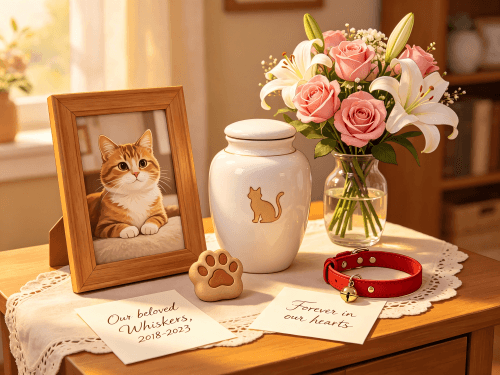
Some create a small memory corner with photos.
Others save their cat's favorite blanket or collar.
Some make a memory box filled with treasured keepsakes, something we explore in What to Put in a Pet Memory Box: Meaningful Ideas to Keep Their Memory Alive.
Others find comfort in preserving a paw print, displaying a favorite photograph, or choosing a personalized memorial piece that quietly celebrates the life they shared.
Many families also choose to learn more about meaningful remembrance ideas in How to Choose the Right Pet Memorial Keepsake. For some, a simple engraved necklace, custom photo piece, or paw print keepsake from Rempaw becomes a gentle reminder that love doesn't disappear simply because a life has ended.
If you're here because you're thinking, "My cat was fine yesterday and gone today," your heart is probably still trying to catch up with reality.
The shock may last for days or even weeks.
You may continue asking questions that have no easy answers.
Please remember this:
Your cat's story wasn't defined by their final day.
It was built through every quiet morning together, every meal you shared, every nap on your lap, every slow blink across the room, and every moment they trusted you completely.
Illness may have arrived suddenly.
Goodbye may have come far sooner than anyone expected.
But neither of those things can erase a lifetime of love.
When you're ready, we'd love to hear about your cat. Share their name, their favorite sleeping spot, or one small memory that still makes you smile. Sometimes, telling their story is one of the first gentle steps toward carrying their love forward.

June 29, 2026
How many days off work after losing a pet? Learn how pet loss can affect work, whether taking bereavement leave is possible, and how to return to work while grieving.
June 22, 2026
Waiting for your cat's ashes after cremation can feel overwhelming. Learn how long cat cremation takes, why delays happen, and how to cope while waiting.
June 9, 2026
Wondering if you euthanized your cat or dog too soon? Learn why pet euthanasia guilt is so common and how many loving owners struggle with the same heartbreaking questions.