Free US Shipping on orders $100+
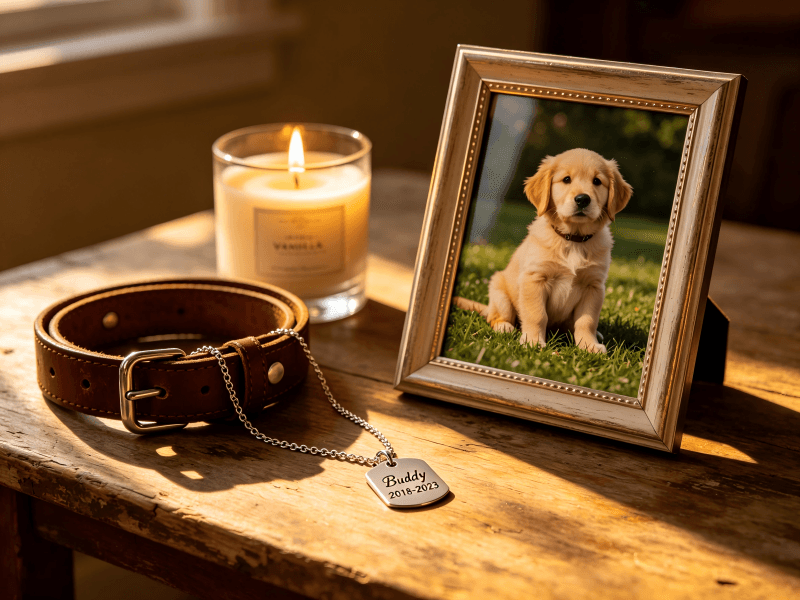
One moment, everything seems normal.
Your dog is eating breakfast, following you around the house, or resting in their favorite spot. Then suddenly, everything changes.
For many pet owners, unexpected loss is one of the most heartbreaking experiences imaginable. There is no time to prepare emotionally. No chance to say goodbye the way you hoped. No opportunity to slowly adjust to the reality that your companion may soon be gone.
Instead, grief arrives alongside shock.
And often, one question repeats over and over:
"Why did my dog die so suddenly?"
While veterinarians may sometimes identify a medical cause, the emotional reality is often much harder to understand than the diagnosis itself.
Many people assume that grief becomes easier when a pet is elderly or seriously ill.
In reality, sudden loss creates its own unique kind of pain.
When a dog passes unexpectedly, the mind struggles to catch up with reality. Everything that felt normal yesterday suddenly becomes part of the past.
You may still expect to hear them at the door.
You may still reach for the leash.
You may wake up forgetting, just for a moment, what happened.
This reaction is completely normal.
The brain naturally needs time to process major emotional changes, especially when they occur without warning.
Although every situation is different, sudden loss is often associated with conditions that may show few visible symptoms beforehand.
Some examples include:
For many families, learning the medical explanation does not immediately reduce the emotional pain.
Understanding how a dog died and understanding why it happened to your family are often two very different emotional experiences.
After unexpected loss, many pet owners become trapped in a cycle of questions.
These questions often come from love rather than logic.
When we care deeply about someone, our minds search for explanations. We replay events, hoping to find something that would make the loss feel more understandable.
Unfortunately, many sudden losses occur despite attentive care and responsible pet ownership.
The desire for answers is natural, but self-blame rarely brings the comfort people hope it will.
Related reading:
Why Losing a Pet Hurts So Much: The Psychology Behind Pet Grief
Unexpected grief often contains two separate emotional experiences happening at the same time.
The first is grief itself.
The second is shock.
When a loss occurs suddenly, the emotional system has no opportunity to prepare. This can create feelings of disbelief that last for days or even weeks.
Many people describe feeling as though they are living in a dream.
Others find themselves repeatedly retelling the story because the event still feels unreal.
This reaction is common after sudden pet loss.
The emotional bond remains intact while the mind struggles to accept that the physical presence is gone.
One of the hardest parts of unexpected loss is accepting that some questions may never receive complete answers.
Even after speaking with veterinarians, reviewing medical records, or discussing possibilities with family members, many pet owners still feel a lingering sense of uncertainty.
Over time, healing often involves shifting focus away from the final day and back toward the life that came before it.
Instead of asking:
"What happened in those last few hours?"
Many people gradually begin remembering:
"What made our years together so special?"
This transition does not happen immediately.
But it often marks an important step in healing.
When a pet dies suddenly, it is easy for the final moments to dominate every memory.
The emergency visit.
The phone call.
The diagnosis.
The shock.
But those moments represent only a tiny part of the relationship.
Your dog was not defined by their final day.
They were defined by years of companionship.
The walks.
The greetings at the door.
The adventures.
The comfort during difficult times.
The quiet moments that seemed ordinary until they became memories.
As grief evolves, many pet owners find comfort in creating ways to celebrate the life that was lived rather than focusing only on the loss that occurred.
You may also find comfort in:
How to Memorialize a Pet: 12 Meaningful Ways to Honor Your Beloved Companion
and
What to Put in a Pet Memory Box: Meaningful Ideas to Keep Their Memory Alive
One fear many grieving pet owners share is that healing somehow means leaving their dog behind.
But healing and remembrance are not opposites.
The goal is not to forget.
The goal is to carry the love differently.
For some people, that connection lives through photographs.
For others, it lives through rituals, stories, memory boxes, or personalized keepsakes.
A memorial necklace, engraved charm, or remembrance piece cannot remove grief, but it can provide a quiet way to keep a beloved companion close while navigating life after loss.
Losing a dog suddenly can leave behind shock, confusion, and profound sadness.
The absence of warning often makes grief feel even heavier because there was no opportunity to prepare for goodbye.
If you are carrying unanswered questions after an unexpected loss, know that you are not alone. Many loving pet owners experience the same confusion, guilt, and disbelief.
Over time, the focus often shifts from the final moments to the countless memories that came before them.
And while loss changes the relationship, it does not erase the love that made the relationship meaningful in the first place.
At Rempaw, we believe those memories deserve to be honored through meaningful keepsakes that help preserve connection, remembrance, and love long after loss.
July 15, 2026
Was your pet your soulmate? Discover why some dogs and cats become our deepest emotional companions, why losing a soulmate pet hurts so much, and gentle ways to honor their memory.

July 11, 2026
"I want people to know my dog existed." If you've lost a beloved dog and fear they'll be forgotten, you're not alone. Learn why sharing memories is a natural part of grief and meaningful ways to honor your dog's life.

July 10, 2026
If your cat seemed fine yesterday but passed away today, you're not alone. Learn why some illnesses progress silently, why guilt is so common, and gentle ways to begin healing after sudden pet loss.