Free US Shipping on orders $100+
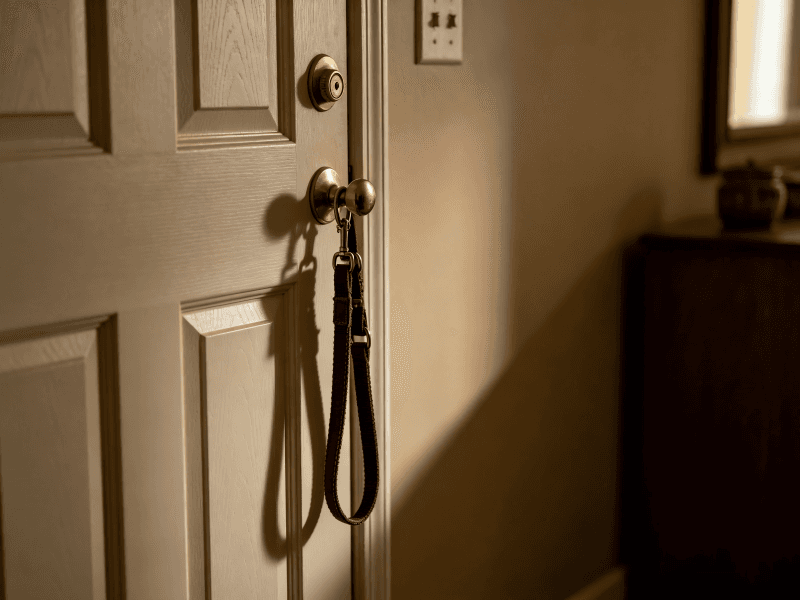
When people imagine grief after losing a pet, they often picture the big moments.
The goodbye at the veterinarian's office.
The first night home without them.
The painful silence afterward.
But for many pet owners, the hardest part comes later — in the tiny ordinary moments nobody talks about.
The sound you still expect to hear in the hallway.
The way you automatically glance toward their favorite spot.
The habit of saving a small piece of food before remembering they're no longer there.
These moments seem small from the outside.
But emotionally, they can feel enormous.
Because love lives inside routine more than we realize.
One reason pet loss feels so deeply personal is because pets quietly weave themselves into daily routines.
Not through dramatic conversations or milestones.
But through repetition.
Morning walks.
Feeding schedules.
Quiet evenings together on the couch.
Over time, those moments stop feeling noticeable because they become normal life itself.
And then suddenly, they're gone.
That's why grief after losing a pet often feels less like a single event and more like hundreds of tiny absences appearing throughout the day.
Many grieving pet owners experience strange automatic behaviors after loss.
Calling their pet's name accidentally.
Listening for footsteps.
Opening doors more carefully out of habit.
These reactions can continue long after the initial grief softens.
Not because something is wrong.
But because attachment changes slowly.
The brain spent years learning:
"They're here."
"They're part of home."
"They're part of safety."
So naturally, those expectations don't disappear overnight.
If you've experienced this yourself, you may also connect with:
Why Do I Still Reach for My Pet? The Small Habits That Stay After Loss
One of the most surprising parts of pet grief is how random emotions can feel.
You may feel okay for hours.
Then suddenly, something tiny brings everything back.
A leash hanging near the door.
A blanket covered in fur.
The sound of another dog barking outside.
These moments hurt because emotional memory is deeply connected to sensory detail.
Our minds attach love to spaces, routines, sounds, and objects. So after loss, ordinary life itself becomes full of reminders.
And often, it's the smallest reminders that feel the strongest.
People often say they miss their pet's companionship.
But what they usually mean is something even softer than that.
They miss presence.
A living energy quietly existing nearby.
A dog sleeping while you work.
A cat following you between rooms.
The comfort of knowing another heartbeat is close even in silence.
That kind of companionship becomes emotionally grounding over time.
And after loss, the absence of that quiet presence can make home itself feel different.
Many people grieving a pet carry a quiet fear beneath the sadness:
"What if I forget the little things?"
The strange sleeping positions.
The sound they made before dinner.
The exact way they looked waiting at the window.
This fear is one reason photos and keepsakes become so emotionally important after loss.
They preserve details memory worries about losing.
If looking at old photos still feels emotionally difficult, you may also find comfort in:
Why Some People Can't Look at Old Pet Photos Right Away
Grief is emotional, but it's also physical.
We miss seeing our pets.
Touching them.
Hearing them nearby.
That's why many people naturally keep physical reminders after loss:
a collar,
a paw print,
a framed photo,
or a personalized memorial necklace worn quietly every day.
These keepsakes don't erase grief.
But they often create a gentle sense of closeness during difficult moments.
Especially on ordinary days when missing them suddenly returns unexpectedly.
If you're considering a keepsake, you may also like:
How to Choose the Right Pet Memorial Keepsake
One of the hardest emotional shifts after pet loss is learning that healing and remembering can exist together.
Many people worry that feeling "better" somehow means leaving their pet behind.
But grief doesn't work that way.
Over time, the pain usually changes shape.
The memories become softer.
The routines stop feeling quite so sharp.
And eventually, many people notice something comforting:
they begin remembering their pet with warmth more often than sadness.
Not because love became smaller.
But because it became easier to carry.
After losing a pet, it's rarely the grand moments we miss most.
It's the tiny things.
The routines.
The sounds.
The habits built quietly over years of companionship.
Those small moments matter because they reveal how deeply pets shape everyday emotional life.
And while grief changes over time, those traces of love often remain woven into ordinary days forever.
At Rempaw, that quiet connection is what inspires every memorial piece — creating meaningful keepsakes that help pet owners carry memories gently, even long after goodbye.
July 15, 2026
Was your pet your soulmate? Discover why some dogs and cats become our deepest emotional companions, why losing a soulmate pet hurts so much, and gentle ways to honor their memory.

July 11, 2026
"I want people to know my dog existed." If you've lost a beloved dog and fear they'll be forgotten, you're not alone. Learn why sharing memories is a natural part of grief and meaningful ways to honor your dog's life.

July 10, 2026
If your cat seemed fine yesterday but passed away today, you're not alone. Learn why some illnesses progress silently, why guilt is so common, and gentle ways to begin healing after sudden pet loss.