Free US Shipping on orders $100+
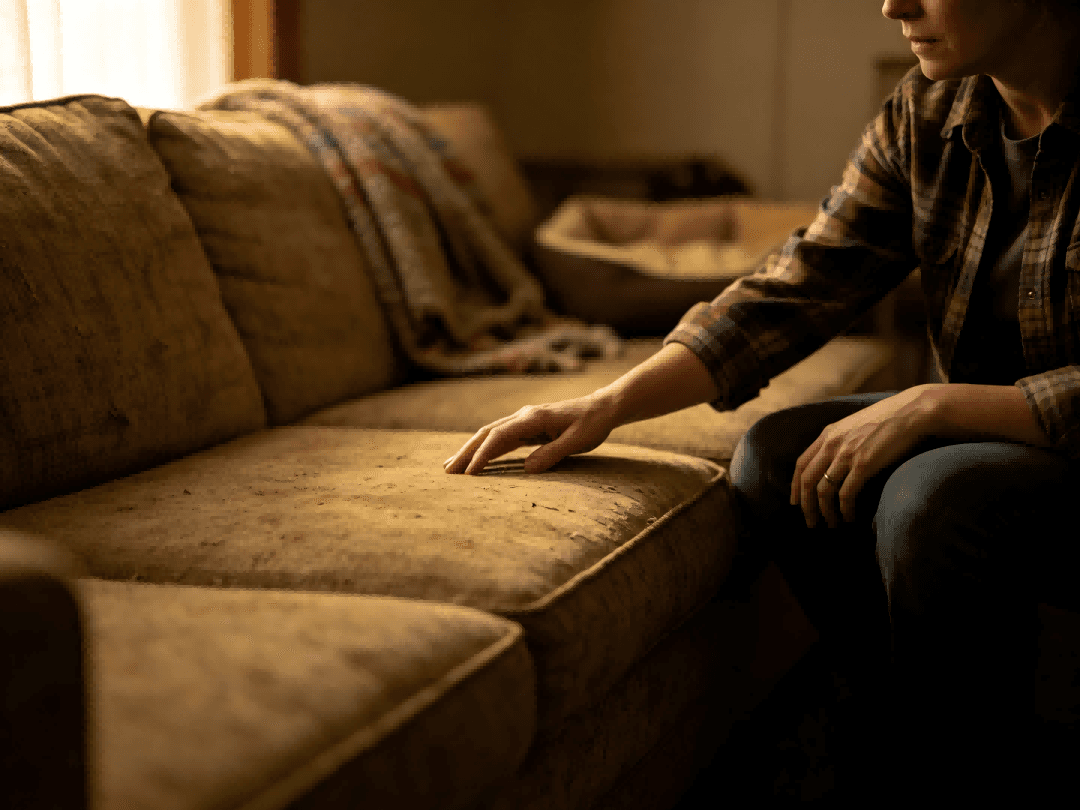
It happens without thinking.
You walk into a room and glance at the spot where they used to be.
You drop a small piece of food and instinctively look down.
You reach your hand out—just slightly—before realizing there’s no one there.
And for a second, everything feels normal.
Until it doesn’t.
These moments are often the hardest part of losing a pet.
Not the big memories. Not the obvious sadness.
But the quiet habits that stay behind.
A lot of people worry when this happens.
They think:
“Why am I still doing this?”
“Shouldn’t I be past this already?”
But this isn’t about being stuck.
It’s about how the brain works.
When you live with a pet, your daily life builds around them in ways you don’t even notice.
These patterns become automatic.
They don’t disappear just because your pet is gone.
Sometimes, your body reacts before your thoughts catch up.
You hear a sound and turn.
You feel like something is following you.
You expect a presence that used to always be there.
These reactions can feel almost surreal.
But they’re not strange.
They’re what happens when something that was once constant suddenly isn’t.
What makes these habits painful isn’t the action itself.
It’s the realization that follows.
That split second where everything feels the same as before—
And then reality catches up.
That contrast can feel heavier than sadness.
If you’ve been wondering why these feelings come and go, this may help:
What Grief Really Feels Like After Losing a Pet
It’s tempting to try to stop these moments.
To correct yourself. To “move on faster.”
But forcing that usually makes it harder.
These habits fade naturally over time.
Not because you try to remove them—
But because your life slowly adjusts.
Interestingly, not everyone wants these habits to disappear completely.
Some people:
Not out of denial.
But because it feels like a gentle way to keep the connection.
At some point, something subtle happens.
You still notice the habit—but it doesn’t hit as hard.
The reaction is softer.
Quieter.
More like memory than loss.
That’s usually when healing is happening.
Even if it doesn’t feel like it yet.
If you still reach for your pet sometimes, you’re not doing anything wrong.
You’re not stuck.
You’re not “failing to move on.”
You’re simply carrying a life that once included them.
And it takes time for that to change.
On days when these moments feel heavier, you might also relate to:

June 13, 2026
My pet died but I don't feel sad yet. Learn why delayed pet grief happens, why numbness is normal, and how grief appears after losing a beloved companion.
June 12, 2026
Struggling to decide when it's time to say goodbye to your dog? Learn how veterinarians and pet owners evaluate quality of life when good days and bad days coexist.
June 9, 2026
Wondering if you euthanized your cat or dog too soon? Learn why pet euthanasia guilt is so common and how many loving owners struggle with the same heartbreaking questions.