Free US Shipping on orders $100+

There’s a moment many pet owners quietly face after loss.
It doesn’t come immediately. Sometimes it shows up weeks later. Sometimes months.
A thought, almost uncomfortable at first:
“Should I get another pet?”
And almost just as quickly, another thought follows:
“Is that… wrong?”
One of the biggest fears people have is this idea of replacement.
As if bringing a new pet into your life somehow erases the one you lost.
But that’s not how love works.
You didn’t love your pet because there was an empty space to fill—you loved them because of who they were. Their personality, their habits, the way they showed up in your life.
A new pet won’t replace that.
It will be something entirely different.
Some people adopt again within weeks.
Others can’t even think about it for years.
Both are normal.
There isn’t a correct timeline, and there isn’t a point where you suddenly become “ready.”
Grief isn’t something you finish. It changes shape over time.
Research around attachment and loss, such as work referenced by the American Psychological Association, shows that emotional bonds don’t simply disappear—they evolve. That’s why the idea of “moving on” often feels inaccurate.
You’re not moving on.
You’re moving forward with what you’ve experienced.
Instead of asking:
“Is it too soon?”
A better question might be:
“Why do I want another pet right now?”
There are different answers, and they matter.
None of these are “wrong.” But understanding your reason helps you make a clearer decision.
After a pet is gone, the absence is everywhere.
The empty corner. The quiet mornings. The routine that no longer exists.
For some people, bringing a new pet into that space brings life back into the home.
For others, it feels too soon—like the space still belongs to someone else.
Both reactions are valid.
If you’re not the only one grieving, this decision becomes shared.
Children, especially, may:
It’s important to talk about it openly.
There’s no need to rush into a decision just to “fix” the sadness.
Organizations like the American Veterinary Medical Association emphasize that pets play a strong emotional role in families—so their loss, and replacement, should be handled with care.
There’s no checklist, but there are gentle indicators:
It doesn’t mean the grief is gone.
It just means it’s no longer the only thing there.
Just as important:
In that case, waiting isn’t avoidance—it’s respect for your process.
This is something people don’t say enough.
Getting another pet is not a requirement.
Some people choose to carry that one bond with them for the rest of their lives.
That doesn’t mean they love animals any less.
It just means that relationship was enough.
If you do decide to bring another pet into your life, something surprising often happens.
You don’t love your old pet less.
You don’t “replace” them.
You simply… make room.
For a different kind of connection.
And somehow, both can exist at the same time.
So—should you get another pet after loss?
There isn’t a universal answer.
Only a personal one.
Not based on time, or pressure, or what others expect—but on what feels honest to you.
Because in the end, this decision isn’t about replacing what you lost.
It’s about understanding what you’re ready to receive again.
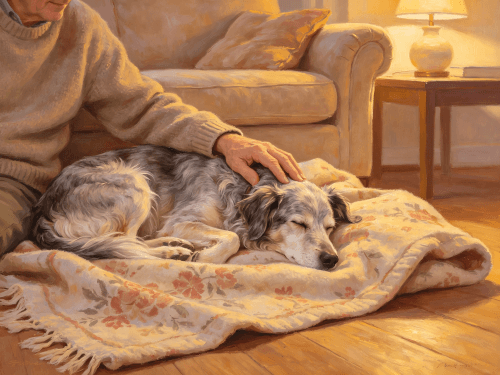
June 12, 2026
Struggling to decide when it's time to say goodbye to your dog? Learn how veterinarians and pet owners evaluate quality of life when good days and bad days coexist.
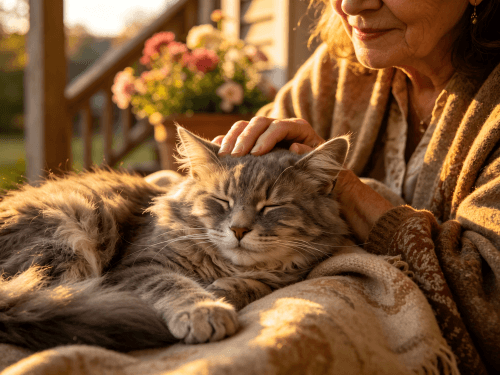
June 9, 2026
Wondering if you euthanized your cat or dog too soon? Learn why pet euthanasia guilt is so common and how many loving owners struggle with the same heartbreaking questions.
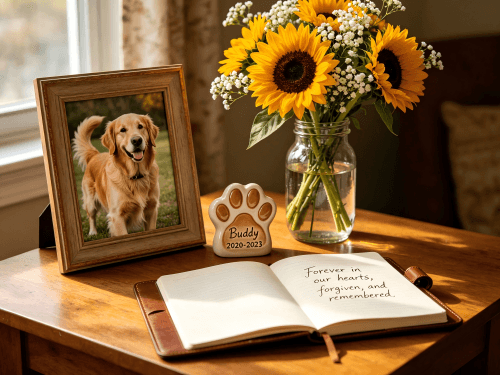
June 8, 2026
Many grieving pet owners regret their final interaction with their dog or cat. If you're struggling with pet loss guilt, this gentle guide may help you see the bigger picture of your relationship.