Free US Shipping on orders $100+

The day after losing a pet can feel strangely quiet.
You know what happened.
You know your dog or cat is gone.
You may have held them for the last time, said goodbye, made arrangements, or walked through the house knowing something has changed forever.
But somehow...
you don't feel the heartbreak you expected.
Maybe you are not crying.
Maybe you feel almost normal.
Maybe you even find yourself making breakfast, answering emails, or going through your usual routine and wondering:
"Why don't I feel more devastated?"
Many pet owners experience this confusing moment after a loss.
They think:
"My pet died, but it hasn't hit me yet."
"Why am I not crying after my pet died?"
"Does this mean I didn't love them enough?"
The answer is no.
Grief does not always arrive immediately.
Sometimes the mind understands the loss before the heart is ready to fully feel it.
The absence is real.
The love was real.
But your emotions may need time to catch up.
This experience is often called delayed pet grief, and it is a very common response to losing someone who was deeply important in your life.
When something overwhelming happens, the human mind does not always process everything at once.
For many people, the first hours or days after a pet's death are filled with practical responsibilities.
You may need to:
Your brain may temporarily focus on what needs to be done rather than allowing the full emotional weight of the loss to arrive.
This is one reason some people experience numbness after losing a pet.
It is not a lack of love.
It is not a sign that the relationship meant less.
Sometimes it is simply the mind creating a small amount of emotional space while facing something painful.
A person may think:
"I know my dog is gone, but it still feels like they are coming back."
That feeling can last days, weeks, or sometimes longer.
Loss is not only about understanding that someone has died.
It is also about adjusting to a world where their daily presence no longer exists.
One of the most painful thoughts some grieving owners experience is:
"What is wrong with me? Why am I not crying?"
But tears are only one expression of grief.
Some people cry immediately.
Some people become quiet.
Some people feel numb.
Some people focus on helping others before they allow themselves to feel their own pain.
None of these responses measure how much you loved your pet.
Love is not proven by the intensity of your first reaction.
It was shown through thousands of ordinary moments:
The meals you prepared.
The walks you took.
The times you noticed something was wrong.
The nights you comforted them.
The way they looked for you when they wanted safety.
A pet's life is built from everyday love.
Grief is also built from everyday memories.
For some people, those memories bring immediate tears.
For others, they slowly unfold over time.
Both are normal.
Delayed grief often happens because the first days after a loss are filled with activity.
There may be decisions to make.
There may be people to contact.
There may be arrangements that cannot wait.
You might spend several days thinking:
"I need to stay strong."
Then suddenly, a week later, something small happens.
You open the door.
And you expect your dog to be standing there.
You reach for the food bowl.
And realize there is no one waiting.
You see their favorite blanket.
And everything changes.
The grief you thought was missing suddenly appears.
This is why many people describe grief as arriving in waves.
It does not always follow the timeline we expect.
Sometimes the first wave is shock.
The second wave is reality.
The later waves are memories.
For many pet owners, grief appears in ordinary moments.
Not necessarily on the day of the loss.
Not necessarily during a major anniversary.
But during small routines that once included their pet.
You may notice:
Your pet's sleeping spot remains exactly the same.
The blanket is still there.
The space beside you feels different.
Your mind remembers their presence before it remembers the loss.
For years, coming home meant one thing:
Someone was waiting.
A tail wag.
A familiar sound.
A little face looking toward the door.
When that moment disappears, the silence can feel overwhelming.
Sometimes people avoid photos at first.
They feel too painful.
Other times, an old picture suddenly creates the first real emotional release.
A memory can unlock feelings that were waiting underneath.
Many people experience this when they begin exploring memories through articles like:
The Little Things We Miss Most After Losing a Pet
or
The Unexpected Places We Still Look for Our Pets
For some pet owners, delayed grief happens after euthanasia.
Making the decision to say goodbye can involve many complicated emotions.
There may be sadness.
There may be relief that suffering has ended.
There may be guilt.
There may even be moments where you question your decision.
A person may think:
"Why am I not falling apart?"
or:
"Why do I feel calm?"
But calmness does not mean the loss mattered less.
Sometimes after a long illness, the body and mind are exhausted.
You may have spent weeks or months worrying, caring, and preparing.
After the goodbye happens, your first emotion may be exhaustion rather than sadness.
Later, when life becomes quieter, grief may arrive.
For many owners, the hardest moments come after everyone else has moved forward and the house becomes silent.
Some people worry:
"What if I never grieve properly?"
"What if I move on too quickly?"
"What if my pet deserved more sadness from me?"
These thoughts often come from love.
But grief is not a performance.
There is no correct amount of crying.
There is no timeline you have to follow.
Some people feel everything immediately.
Some people experience delayed grief.
Some people carry their sadness quietly for years.
The relationship you had with your pet cannot be measured by how painful the first few days feel.
Your bond existed before the loss.
It continues after the loss.
When emotions begin to surface, many people find comfort in creating ways to remember their pets.
Not because they are trying to hold onto sadness.
But because love deserves somewhere to go.
Some meaningful ideas include:
A small box can hold:
These objects become reminders of a shared life.
A paw print can feel incredibly personal.
It represents something physical from a companion who was once always beside you.
Some families create a small corner with photos, candles, or favorite belongings.
A quiet place to remember.
Some people find comfort in wearable memorial items, such as a personalized pet memorial necklace.
Having a small reminder close by can help some owners feel connected while they adjust to life without their pet.
Memorial keepsakes are not about refusing to let go.
They are about honoring a relationship that mattered.
You can also explore:
Pet Keepsake Ideas: Meaningful Ways to Remember Your Companion
and
Personalized Pet Memorial Jewelry That Feels Truly Meaningful
If your pet died but it hasn't hit you yet, you are not grieving incorrectly.
You are experiencing loss in your own way.
Sometimes grief arrives as tears.
Sometimes it arrives as silence.
Sometimes it arrives weeks later when you hear a sound, see a photo, or reach toward a familiar place without thinking.
Your lack of immediate sadness does not mean your pet was not important.
It does not erase the years you shared.
It does not change the love between you.
A pet's life is measured by the moments you gave them.
The walks.
The comfort.
The routines.
The quiet companionship.
That love was already there long before grief arrived.
And when it does arrive, whenever that may be, it is simply another reflection of how much they meant.
June 12, 2026
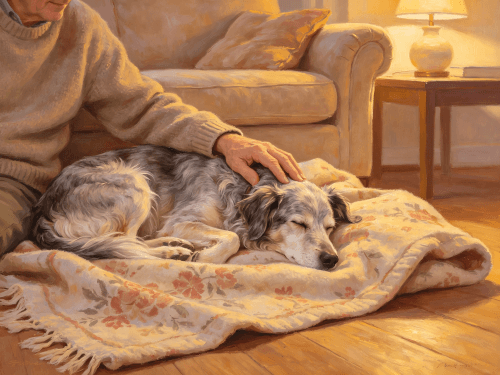
Struggling to decide when it's time to say goodbye to your dog? Learn how veterinarians and pet owners evaluate quality of life when good days and bad days coexist.
June 9, 2026
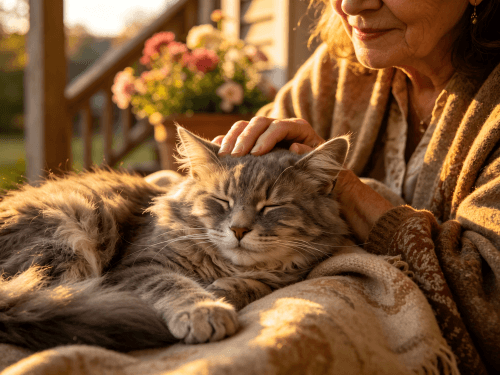
Wondering if you euthanized your cat or dog too soon? Learn why pet euthanasia guilt is so common and how many loving owners struggle with the same heartbreaking questions.
June 8, 2026
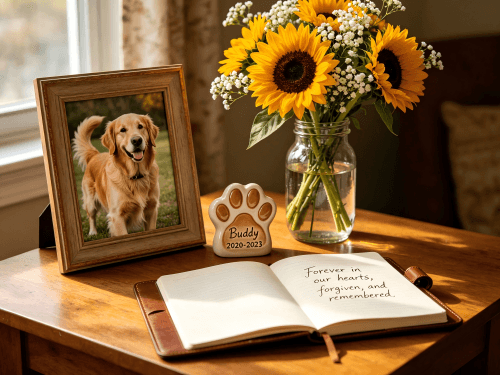
Many grieving pet owners regret their final interaction with their dog or cat. If you're struggling with pet loss guilt, this gentle guide may help you see the bigger picture of your relationship.