Free US Shipping on orders $100+
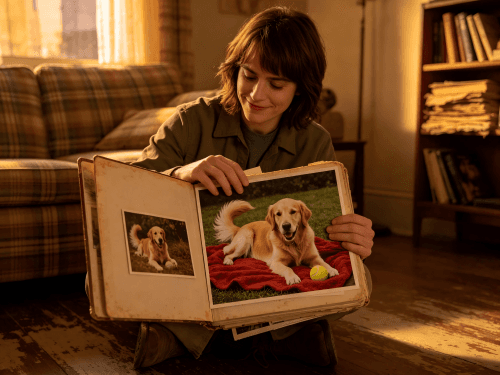
Few phrases cut deeper after losing a beloved pet than hearing someone say:
"It's just a pet."
Sometimes it's phrased a little differently.
"It's just a dog."
"You can always get another cat."
"At least it wasn't a person."
Most people who say these things probably don't intend to cause pain. They may even believe they are helping by trying to put the loss into perspective.
But when you're grieving a pet, those words can feel like a punch to the chest.
Not because you're overly sensitive.
Not because you're grieving incorrectly.
But because the relationship you're mourning was real, meaningful, and deeply woven into your daily life.
If you've recently lost a dog or cat and felt hurt when others minimized your grief, you're far from alone. Many pet owners discover that one of the hardest parts of pet loss isn't just missing their companion—it's feeling like nobody understands why the loss hurts so much.
When someone says "it's just a pet," what often hurts isn't the phrase itself.
It's what the phrase seems to imply.
It can feel as though they're saying:
But anyone who has shared years of life with a beloved pet knows that the bond goes much deeper than that.
Most pet owners don't think of their dog or cat as an animal living in the house.
They think of them as family.
Pets celebrate life's milestones with us.
They witness breakups, career changes, moves, illnesses, and personal victories.
They are there during ordinary Tuesdays and life-changing moments alike.
Over time, they become part of the story of who we are.
When they die, we aren't simply losing a pet.
We're losing a family member whose presence shaped our daily lives.
One reason pet loss can feel especially intense is because pets are part of our routines.
They greet us every morning.
They wait for us at the door.
They join us on walks.
They curl up beside us while we watch television.
Unlike many human relationships, pets are often physically present every day.
When that daily companionship disappears, the absence is impossible to ignore.
Many people describe their relationship with a pet as one of the purest forms of love they've ever experienced.
Pets don't care about social status.
They don't judge mistakes.
They don't hold grudges.
Their love often feels simple, honest, and consistent.
Losing that source of unconditional companionship can leave a profound emotional void.
For a deeper understanding of why pet loss hurts so much, see:
Why Losing a Pet Hurts So Much: The Psychology Behind Pet Grief
Although dismissive comments can be painful, it's often helpful to remember that misunderstanding doesn't always come from cruelty.
Sometimes it comes from experience—or the lack of it.
Not everyone has shared a deep emotional bond with an animal.
Some people grew up viewing pets primarily as outdoor animals.
Others never had pets at all.
Without experiencing that connection firsthand, it can be difficult for them to understand the depth of the loss.
Even among pet owners, relationships vary greatly.
Some people enjoy having pets but don't develop the same level of attachment that others do.
Some experience a bond that feels almost impossible to explain.
Neither experience is wrong.
But these differences often shape how people respond to pet loss.
Many people simply don't realize how powerful pet grief can be.
They may believe they are helping by encouraging you to move forward.
Unfortunately, what often feels comforting to them can feel invalidating to someone who is grieving.
Remember:
Someone's inability to understand your grief does not make your grief any less real.
One of the most important things grieving pet owners need to hear is this:
Your grief is valid.
You do not need anyone else's approval to mourn your pet.
Grief reflects connection.
The stronger the bond, the more painful the loss often feels.
That reality applies whether the relationship is with a spouse, a friend, a parent, or a beloved dog or cat.
Many pet owners continue reaching for habits long after their pet is gone.
Looking toward a favorite sleeping spot.
Listening for familiar sounds.
Expecting to see them at feeding time.
These reactions happen because your pet became part of your emotional world.
For some people, a pet was their closest companion.
Their source of comfort during loneliness.
Their support during depression, anxiety, grief, or major life changes.
When that support disappears, the emotional impact can be enormous.
And that impact deserves compassion.
One of the most overlooked aspects of pet grief is loneliness.
Not simply because your pet is gone.
But because you may feel like nobody understands what you're experiencing.
Many grieving pet owners stop talking about their loss because they worry others will dismiss it.
They hear comments like:
"You should be over it by now."
"Just get another dog."
"It was only a cat."
Over time, this can create emotional isolation.
Some people cry privately.
Others avoid mentioning their pet entirely.
Many feel pressure to appear "fine" even when they're struggling deeply.
This hidden grief can become exhausting.
The combination of loss and misunderstanding often leaves people feeling alone.
Ironically, this loneliness can become one of the most painful parts of the grieving process.
If this resonates with you, you may find comfort in:
Why Pet Grief Can Feel Lonely Even Around Other People
and
Understanding Pet Loss Grief: Why It Hurts and How Healing Works
While you cannot control how others respond to your grief, you can find healthier sources of support.
Online pet loss groups, forums, and support communities can be incredibly comforting.
Sometimes simply hearing:
"I felt that too."
can make an enormous difference.
People who have experienced pet loss themselves often understand what others cannot.
They know why an empty food bowl can trigger tears.
They know why old photos feel precious.
They know why grief doesn't disappear overnight.
Many grieving pet owners find healing through remembrance.
Not because memorials remove grief.
But because they provide a way to express continuing love.
Healing doesn't require forgetting.
In fact, many people find comfort in actively preserving memories.
A favorite framed photo can become a beautiful reminder of happy moments shared together.
Many pet owners create memory boxes containing:
These items become treasured pieces of a life well loved.
Some people find comfort in carrying a small reminder of their pet wherever they go.
A personalized memorial necklace engraved with a name, photo, or paw print can provide a quiet sense of connection.
What matters most isn't the jewelry itself.
It's the love and memory it represents.
You may also enjoy:
Personalized Pet Memorial Jewelry That Feels Truly Meaningful
Paw prints often become some of the most cherished reminders of a beloved companion.
They capture something uniquely personal and irreplaceable.
If someone has ever told you:
"It's just a pet."
please remember this:
They did not live your relationship.
They did not share your routines.
They did not experience the comfort, companionship, and love your pet brought into your life.
Your grief does not need their validation.
Loving deeply means grieving deeply.
And the pain you feel today exists because the bond you shared mattered.
Healing will come gradually.
The sharpest edges of grief often soften with time.
But healing does not mean forgetting.
It does not mean loving less.
It simply means learning how to carry that love forward in a different way.
Your pet was never "just a pet."
They were part of your life, part of your story, and part of your heart.
And that is more than enough reason to mourn.

July 5, 2026
Losing a puppy suddenly can bring overwhelming grief, even if you only shared a few weeks together. Learn why the pain feels so deep and gentle ways to cope with the loss.

June 13, 2026
My pet died but I don't feel sad yet. Learn why delayed pet grief happens, why numbness is normal, and how grief appears after losing a beloved companion.
June 12, 2026
Struggling to decide when it's time to say goodbye to your dog? Learn how veterinarians and pet owners evaluate quality of life when good days and bad days coexist.