Free US Shipping on orders $100+
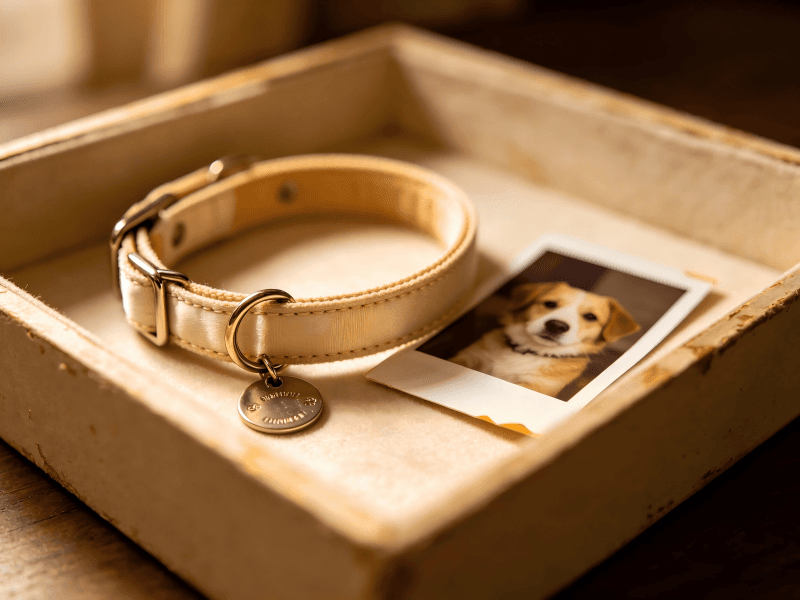
Losing a pet can change the feeling of home overnight.
The silence feels unfamiliar.
Daily routines suddenly feel incomplete.
Even ordinary moments can become unexpectedly emotional.
For many people, pet grief is far deeper than they ever expected. And yet, it is often misunderstood by others who have never experienced the emotional bond that forms between a person and an animal companion.
Pets become part of everyday life in ways that are quiet but deeply meaningful. They are present during ordinary mornings, stressful evenings, lonely periods, and life transitions. Over time, they stop feeling like "just a pet" and begin to feel like emotional family.
That is why pet loss grief can feel overwhelming, confusing, and physically painful all at once.
This guide explores why grieving a pet feels so intense, how grief changes over time, and gentle ways many people slowly begin healing after loss.
One of the hardest parts of pet loss is realizing how deeply connected we were to the small rhythms of everyday life.
Pets are woven into routines:
feeding times,
walks,
quiet companionship,
familiar sounds around the house.
When that presence disappears, grief shows up everywhere.
Many grieving pet owners feel surprised by the intensity of their emotions. Some even feel guilty for grieving "too much." But emotional attachment is not measured by species. It is measured by connection, routine, and unconditional companionship.
Unlike many human relationships, pets often provide comfort without judgment or expectation. They become emotional anchors during difficult periods of life. Losing that kind of bond can create a profound emotional emptiness.
If you want to explore this more deeply, you may also read:
Why Losing a Pet Hurts So Much: The Psychology Behind Pet Grief
Many people expect grief to gradually fade in a straight line.
But pet grief rarely works that way.
Some days may feel manageable, while others suddenly feel overwhelming again. A sound, a memory, or an ordinary routine can unexpectedly bring emotions back with full intensity.
This emotional pattern often surprises people, especially weeks or months after loss.
Grief tends to move in waves because emotional memory is tied to daily life. The brain continues expecting the presence of someone it loved deeply. That is why certain moments can suddenly reopen sadness long after the initial loss.
For many people, healing is not about "moving on." It is about slowly learning how to carry love and absence at the same time.
Related reading:
What Grief Really Feels Like After Losing a Pet (And Why It Comes in Waves)
Often, it is not the major moments that hurt the most.
It is the tiny habits that stay behind.
Looking toward their favorite sleeping spot.
Reaching for the leash automatically.
Hearing a noise and briefly thinking they are still nearby.
These emotional reflexes happen because pets become deeply integrated into our nervous system and routines. Their absence is felt not only emotionally, but physically and behaviorally.
Many grieving pet owners also struggle with unexpected emotional triggers:
old photos,
collars,
certain rooms,
or quiet evenings at home.
Even love itself can become painful to revisit for a while.
You may also connect with:
The Little Things We Miss Most After Losing a Pet
and
Why Some People Can't Look at Old Pet Photos Right Away
Pet grief can sometimes feel isolating, even around other people.
Not everyone understands the emotional weight of losing an animal companion. Some people unintentionally minimize the experience by saying things like:
"It was just a pet,"
or
"You can always get another one."
But grief is never replaceable.
Every pet relationship is unique, shaped by years of shared routines, trust, comfort, and emotional attachment.
Because of this, many grieving pet owners quietly carry their emotions alone. They may avoid talking about their grief because they worry others will not understand the depth of it.
That loneliness can make healing feel even heavier.
If this feeling sounds familiar, you may also find comfort in:
Why Pet Grief Can Feel Lonely Even Around Other People
One of the biggest fears after losing a pet is wondering:
"Will this pain always feel this heavy?"
In the beginning, grief often feels constant. Every room, routine, and moment seems connected to loss.
But over time, something subtle usually begins to change.
The pain becomes less sharp.
The memories become easier to revisit.
Moments of warmth slowly begin appearing alongside sadness.
Healing does not mean forgetting.
It does not mean loving them less.
It simply means the relationship gradually changes form.
Instead of physical presence, the connection begins living more through memory, ritual, photographs, keepsakes, and emotional reflection.
For a deeper look at how healing evolves, you may also like:
How Long Does Pet Grief Last? Understanding the Healing Process After Losing a Pet
There is no perfect way to grieve a pet.
Some people need quiet.
Some need to talk.
Some revisit memories immediately, while others need distance first.
All of these responses are normal.
What often helps most is allowing grief to move naturally instead of forcing yourself to "get over it" quickly.
Many people find comfort in small acts of remembrance:
lighting a candle,
creating a memory space,
wearing a memorial necklace,
keeping a favorite photo nearby,
or writing down memories they never want to forget.
These small rituals do not erase grief. But they can help transform grief into connection over time.
If you are having a particularly difficult day, you may also find support in:
7 Simple Things You Can Do on a Hard Day After Losing a Pet
One of the quiet truths about pet grief is that love rarely disappears after loss.
It simply changes shape.
That is why memories can still feel vivid years later.
Why certain habits stay with us.
Why even small reminders can still carry emotion.
The bond continues through remembrance, routine, and the emotional imprint they leave behind in our lives.
For many pet owners, memorial keepsakes become part of that ongoing connection. A personalized necklace, engraved charm, or remembrance piece often becomes less about jewelry itself and more about carrying a memory gently through everyday life.
At Rempaw, every memorial piece is created with that emotional connection in mind — helping pet owners honor love, memory, and companionship in a quiet and meaningful way.

July 5, 2026
Losing a puppy suddenly can bring overwhelming grief, even if you only shared a few weeks together. Learn why the pain feels so deep and gentle ways to cope with the loss.

June 13, 2026
My pet died but I don't feel sad yet. Learn why delayed pet grief happens, why numbness is normal, and how grief appears after losing a beloved companion.
June 12, 2026
Struggling to decide when it's time to say goodbye to your dog? Learn how veterinarians and pet owners evaluate quality of life when good days and bad days coexist.