Free US Shipping on orders $100+
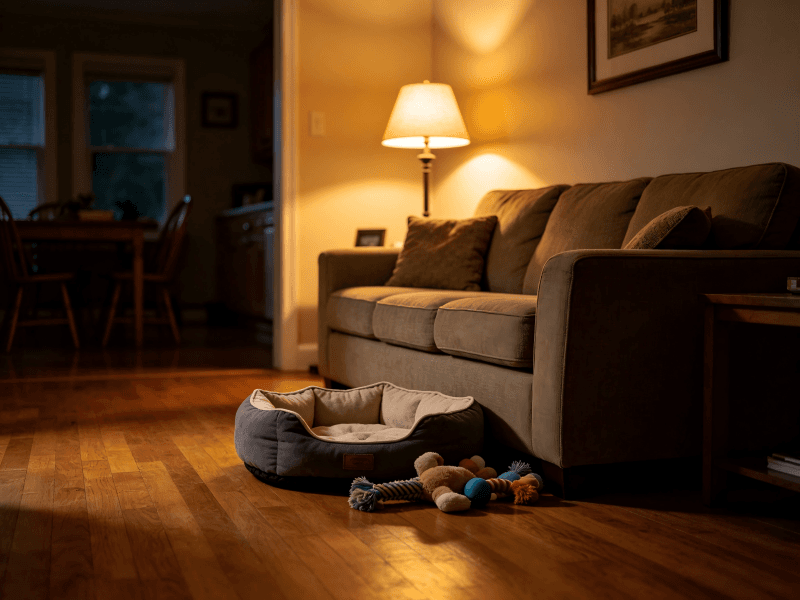
One of the hardest parts of losing a pet is not always the big emotional moments.
Sometimes, it is the silence.
The house becomes quieter in ways that feel almost unnatural. Small routines disappear overnight. Familiar sounds that once blended into daily life suddenly leave behind an emptiness that feels impossible to ignore.
For many grieving pet owners, the quiet moments become the most painful ones:
late evenings,
early mornings,
coming home after work,
or sitting alone in a room that once felt full of companionship.
These moments often reveal how deeply pets become part of the emotional atmosphere of everyday life.
Before loss, most people rarely notice the small sounds connected to their pet.
The soft footsteps across the floor.
Tags lightly hitting against a collar.
The sound of breathing nearby while resting together quietly.
These sounds become part of the emotional background of home.
After loss, silence suddenly feels louder because the brain continues expecting familiar patterns that no longer exist.
This emotional contrast can feel deeply unsettling at first. Many grieving pet owners describe their home as feeling empty, even when surrounded by family or activity.
That emptiness is not simply about physical absence.
It is about emotional presence disappearing from everyday life.
Related reading:
Why Do I Still Reach for My Pet? The Small Habits That Stay After Loss
Nighttime tends to create more emotional space.
During busy hours, distractions can temporarily soften grief. Work, conversations, errands, and routines keep the mind occupied.
But quiet evenings often remove those distractions.
That is when memories return more easily.
Many people notice themselves thinking about:
their pet's bedtime habits,
favorite sleeping spots,
or the quiet companionship they once shared at the end of the day.
Even watching television or sitting on the couch can suddenly feel emotionally different when a familiar presence is missing.
This is one reason grief can feel unexpectedly stronger at night.
You may also relate to:
Why Pet Memories Sometimes Feel Stronger at Night
After losing a pet, certain spaces inside the home can become emotionally charged.
An empty dog bed.
A favorite chair near the window.
A corner where food bowls once sat.
These places often trigger grief because they hold emotional memory.
Over time, pets become associated with physical locations through repeated daily interaction. The brain learns to connect those spaces with comfort, routine, and companionship.
When that connection is suddenly interrupted, the absence becomes highly noticeable.
Many grieving pet owners continue glancing toward these spaces automatically long after loss.
Not because they are stuck in grief,
but because attachment changes slowly.
Related reading:
The Unexpected Places We Still Look for Our Pets
Some forms of grief are highly visible.
Others happen almost entirely internally.
Pet grief often falls into the second category.
People may continue working, socializing, and functioning normally while privately carrying enormous emotional pain inside quiet moments of the day.
This hidden form of grief can sometimes feel isolating because others may not realize how deeply everyday silence affects someone after loss.
For many pet owners, companionship existed in small ordinary moments rather than dramatic ones:
simply sitting together,
walking through the house,
sharing routines without words.
That is why the absence can feel so emotionally constant.
If this feeling sounds familiar, you may also find comfort in:
Why Pet Grief Can Feel Lonely Even Around Other People
There is no way to completely remove grief from silence.
But many people slowly learn ways to make quiet moments feel less overwhelming over time.
Some find comfort in:
These small actions do not erase absence.
But they can help transform silence from something purely painful into something connected to remembrance and love.
For many grieving pet owners, memorial keepsakes become especially meaningful during quiet moments because they provide a gentle physical sense of emotional closeness.
One of the difficult truths about grief is that silence often reveals how much love existed before loss.
The quiet feels heavy precisely because companionship once filled those spaces so naturally.
Over time, however, many grieving pet owners notice something subtle begin to change.
The silence becomes less sharp.
Memories become softer.
And certain quiet moments eventually start carrying warmth alongside sadness.
Healing does not mean the house feels exactly the same again.
But it often means learning that love still exists inside memory, routine, and the emotional traces pets leave behind in our lives.
The quiet moments after losing a pet can feel unexpectedly painful because pets become deeply woven into the emotional rhythm of everyday life.
Their absence is often felt most strongly not during dramatic moments, but during ordinary silence — the routines, spaces, and habits that once felt comforting simply because they were shared together.
Over time, many grieving pet owners discover that those quiet moments slowly change. What once felt overwhelmingly empty gradually becomes connected to memory, love, and remembrance.
At Rempaw, we believe those memories deserve to be carried gently through meaningful keepsakes that help preserve emotional connection long after loss.
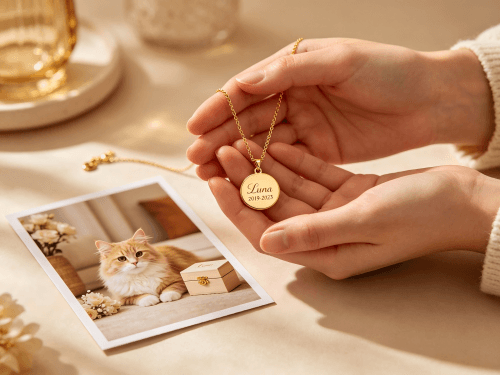
June 19, 2026
Sudden pet loss shock can leave you feeling numb and lost. Understand why unexpected loss feels unreal and how to cope after losing a beloved pet.
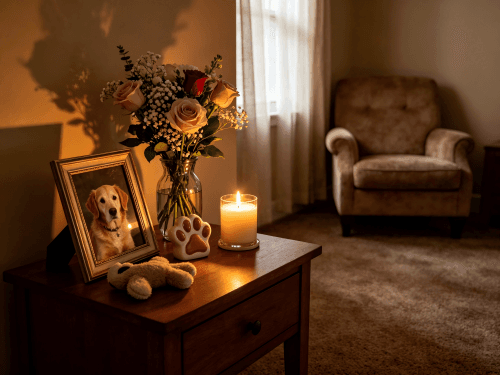
June 18, 2026
Why can't my brain accept my pet is gone? Understand pet loss shock, grief habits, guilt, and gentle ways to keep your beloved companion's memory alive.
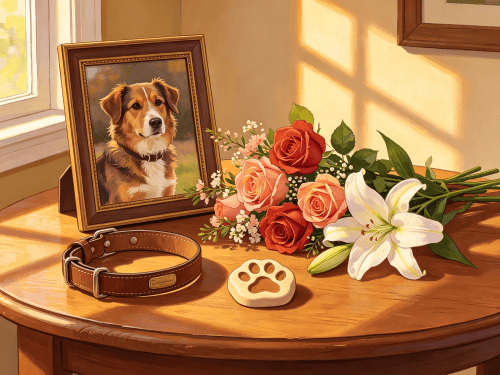
June 15, 2026
Can't stop replaying your pet's final moments? Learn why traumatic pet loss happens, how guilt affects grief, and gentle ways to heal after sudden loss.